ALPHA GAMMA RHO
Beta Alpha
 AGR
AGRAlpha Gamma Rho
Here at the Beta Alpha Chapter of Alpha Gamma Rho, our purpose is to ``Make Better Men.`` Which we have been doing since 1970, with over 884 graduated members. We pride ourselves on leadership, responsibility, and integrity. Alpha Gamma Rho is not just a social organization, but also a recognized professional fraternity; sponsored by numerous companies such as: Monsanto, Pioneer, Bunge, ADM, Cargill and Farm Credit to name a few. There is no better place to plant your roots than at Southern Illinois University Carbondale, among others who want to help you grow. Take a look around the website and see what opportunities ΑΓΡ has to offer you.
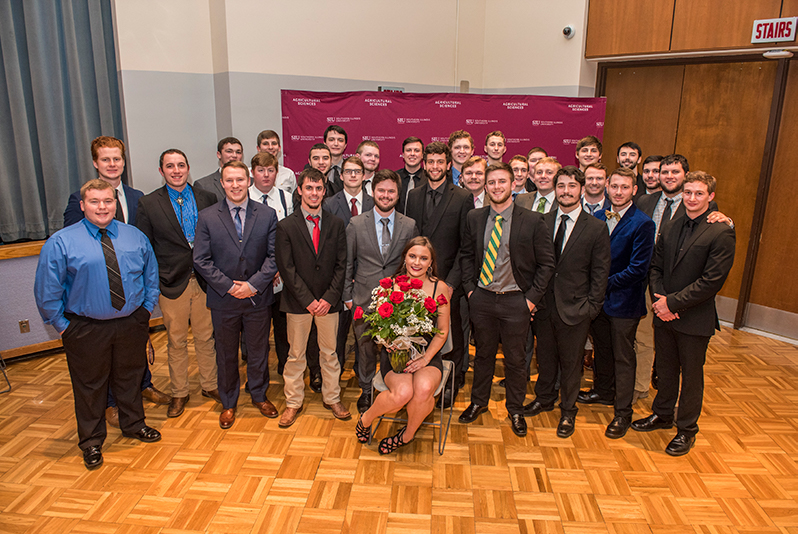
AGR Purpose
To make better men and through them a broader and better agriculture by surrounding our members with influences tending to encourage individual endeavour resourcefulness and aggressive effort along lines making for the development of better mental, social, moral and physical qualities; to promote a wider acquaintance and a broader outlook on the part of agricultural men through fellowship in a national organization that stands for the best social, mental and moral development.

AGR National History
National History
A group of seven college students at The Ohio State University, Columbus, Ohio decided to bind together their cords of friendship and organize a fraternity. Surveying and plans developed slowly and on the first Sunday in October, 1904, Alpha Gamma Rho was born. While the agricultural group at The Ohio State University were developing a fraternity similar action was taking shape at the University of Illinois. During the fall of 1905 the students at Illinois discussed the formation of an agricultural club. By the spring of 1906 the idea had sprouted and Delta Rho Sigma came into being. The interactions between the two fraternities started at the International Livestock Show in Chicago during the fall of 1906 when the embryonic livestock judges met and discovered they had a common bond. Correspondence ensued during the winter, but true love was not smooth and the groups drifted apart. However, negotiations were reopened
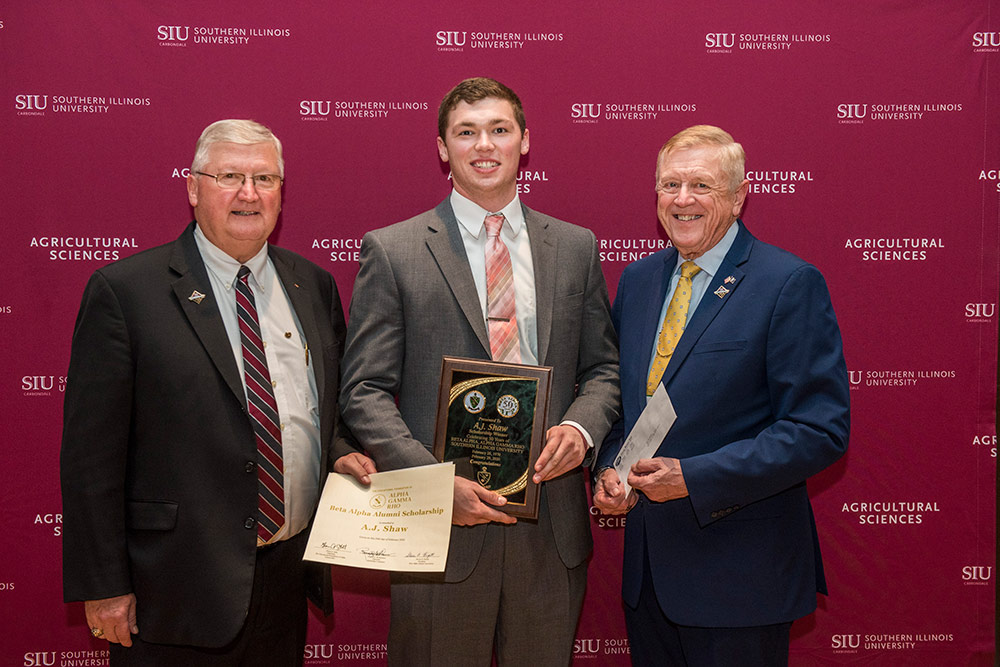
AGR Beta Alpha History
A group of men persisted and formed “Little Egypt Agricultural Cooperative” (LEAC). They held meetings in Room 209 of the Agriculture building to organize the new fraternity with a set of bylaws, symbol, fraternity pin, a script of the fraternity oath, and elected officers. The LEAC men desired to rent a house together and the first house location was 506 South Poplar Street in Carbondale. Younger members of the house were housed in the upper part of the house called the loft. (In those days air conditioning was very limited.)

AGR Vision
The Living the Promise Statement of Alpha Gamma Rho Fraternity
Alpha Gamma Rho is the fraternity sharing a common bond within a dynamic, global agriculture committed to fostering the highest values and providing each and every brother with superior lifelong personal development and professional success.
Key Goals
1. Grow Alpha Gamma Rho Membership and leadership presence worldwide
2. Maximize individual and professional development for all brothers
3. Endow programs and services
Beta Alpha News
Explore our blog for insightful articles, personal reflections and ideas that inspire action on the topics you care about.

March 2, 2024
Alpha Gamma Rho Beta Alpha Chapter Raffle – Proceeds go to St. Jude’s Children Hospital We would like to thank […]

February 24, 2024
Alpha Gamma Rho Beta Alpha Chapter Founder’s Day February 24th, 2024

February 24, 2024
Alpha Gamma Rho Beta Alpha Chapter Founder’s Day February 24th, 2024 SIU is looking to bring back Greek Row and […]
February 2, 2024
In Picture from Left to Right: Tom Meyer, Chris Clausen, Ryan Bailey, Brandon Reed, Owen Pulliam, Chris Randla, Cameron Tabor, […]
Alpha Gamma Rho
Beta Alpha Chapter
408 W. Freeman St.
Carboldale, IL 62901
The information will be sent to:
Rick Storey
siuagralumni@gmail.com
Find answers and general information
Here is a list of frequently asked questions.
1. Who do I contact if I am interested in joining Alpha Gamma Rho at Southern Illinois University?
You can direct your interest to our communications director, Rick Storey at siuagralumni@gmail.com, and he can get you in touch with the correct person from the Beta Alpha Chapter.
2. Does AGR chapter have a house on campus?
Yes, the fraternity house today is a home rented on Freeman Street housing 12-14 brothers with the balance of the brothers living elsewhere on campus.
3. When was the Beta Alpha chapter at SIU founded?
The Beta Alpha chapter was founded on February 28th, 1970.
4. Why should I join AGR?
Since 1904, Alpha Gamma Rho has been defining what true brotherhood means. Honesty, fairness, hard work, and helping each other are all markers of brotherhood our founders believed in, and we continue to recruit men with these qualities today.